Pause for 79 Seconds: The Tiny Wait That Makes You a Smarter Decision-Maker
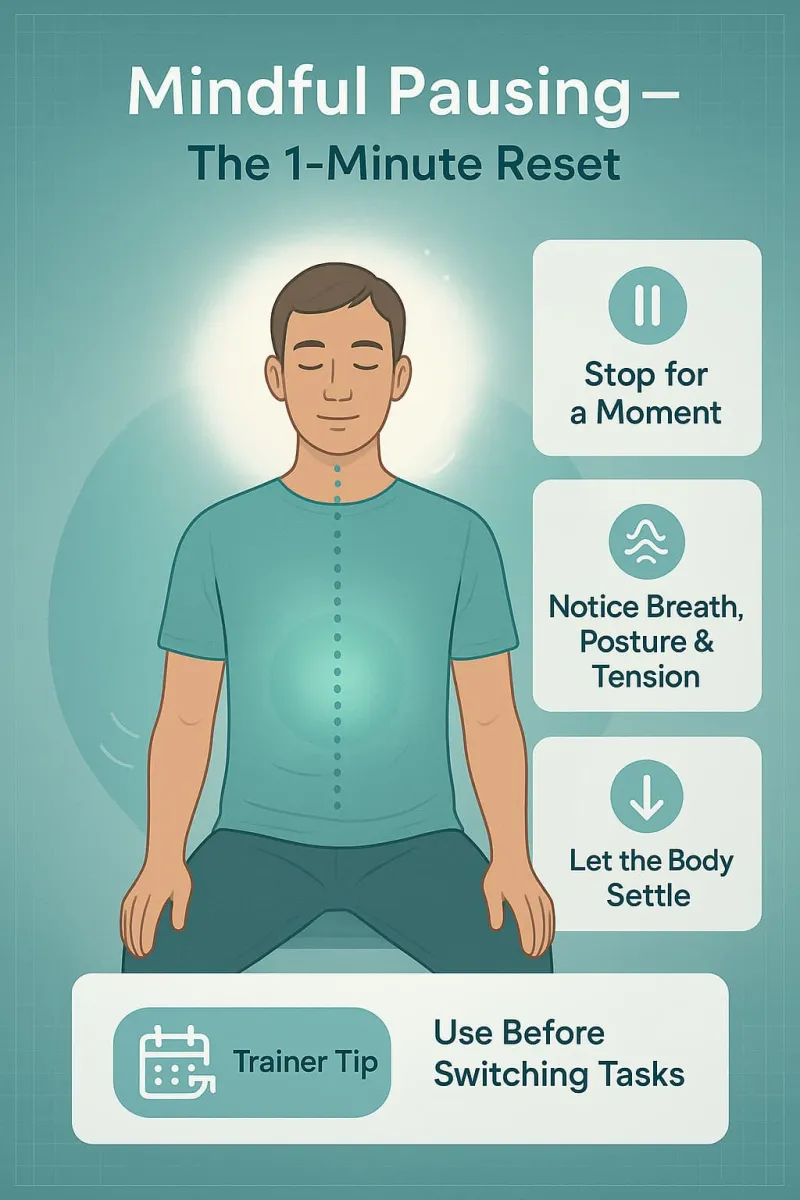
Photo: person pausing thinking decision calm moment timer, via wellfitinsider.com
We live in a culture that treats speed like a virtue. Fast shipping, instant replies, same-day everything. So it probably sounds a little ridiculous to suggest that the single best upgrade you can make to your decision-making process is to just... stop. For less than two minutes. But that's exactly what a growing body of neuroscience research is pointing toward — and the results are hard to argue with.
Welcome to what we're calling the 79-Second Rule. Not a magic number pulled from thin air, but a sweet spot backed by how your brain actually processes competing information under pressure. Let's break it down.
Your Brain on Autopilot (And Why That's a Problem)
Most of the time, you're not really deciding anything. You're reacting. Psychologists call this System 1 thinking — fast, automatic, emotionally driven. It's the part of your brain that clicks "Buy Now" at 11 p.m., texts back an ex after a bad week, or blurts out "yes" to a job offer before you've even read the benefits package.
System 1 isn't bad. It keeps you alive, helps you navigate familiar situations, and makes daily life manageable. But when it comes to choices that actually matter? It cuts corners in ways you don't always notice until later.
System 2 thinking — the slower, more deliberate, analytical mode — is what kicks in when you force yourself to pump the brakes. The problem is that activating System 2 takes effort, and your brain is fundamentally lazy. It defaults to System 1 whenever it can get away with it.
This is where the 79-second pause comes in.
What Happens in Your Brain During a Short Pause
Researchers studying decision fatigue — the mental exhaustion that comes from making too many choices in a row — have found that even brief interruptions can reset cognitive performance. A study out of the University of Illinois found that short mental breaks during a task dramatically improved focus and decision quality compared to working straight through.
Seventy-nine seconds isn't arbitrary. It's roughly the minimum window needed for your prefrontal cortex — the part of your brain responsible for rational judgment and impulse control — to override the emotional urgency signal coming from your amygdala. Think of it like waiting for a page to fully load before you start clicking around. Rush it, and you get errors.
During those few seconds, your brain does something remarkable: it begins to recontextualize the choice in front of you. The emotional charge starts to dissipate slightly. You start asking different questions. Do I actually want this, or does it just feel urgent right now?
Real Scenarios Where This Actually Works
The Job Offer Scramble
You get an offer. The recruiter wants an answer by end of day. Your gut says yes — the salary bump is real, the company sounds cool, and honestly you're just tired of your current commute. But is that a decision, or is it a reaction dressed up as one?
Taking 79 seconds — literally setting a timer — before you respond to that email gives your brain enough runway to ask the harder questions. What's the culture actually like? Did you notice anything weird in the interview? What does your gut say when the excitement isn't flooding the signal?
Impulse Purchases at 2 a.m.
Online shopping is basically a System 1 playground. Algorithms are designed to exploit your reactive brain — limited stock warnings, countdown timers, one-click checkout. Before you hit that button, wait. Seventy-nine seconds. Walk away from the screen, come back. If you still want it, great. But you'd be surprised how often the urgency just... evaporates.
Relationship Decisions Made in the Heat of the Moment
Whether it's firing off an angry text, agreeing to something you don't actually want, or making a big call about a relationship when you're emotionally raw — a pause can save you from yourself. The 79-second rule isn't about being cold or calculated. It's about giving your better judgment a fighting chance.
How to Actually Build This Habit
Knowing about a strategy and using it consistently are two very different things. Here's how to make the pause automatic:
Anchor it to a physical action. Put your phone down, stand up, take three deep breaths. The physical reset helps signal to your brain that a mode shift is happening.
Use a phrase to trigger it. Something simple like "Let me just think for a second" said out loud — yes, even to yourself — activates a metacognitive awareness that slows the automatic response cycle.
Practice on low-stakes stuff first. Before you order at a restaurant, pause. Before you reply to a casual text, pause. Build the muscle on small decisions so it's available for the big ones.
Don't explain yourself. You don't owe anyone an instant answer. Silence and a brief wait aren't rudeness — they're respect for the process. Anyone who can't give you 79 seconds probably isn't someone whose urgency you should be catering to anyway.
The Counterintuitive Truth About Waiting
Here's what nobody tells you: waiting doesn't make you indecisive. It actually makes you more decisive, because the choice you land on is one you actually own. There's less second-guessing, less buyer's remorse, less of that gnawing feeling that you caved to pressure rather than acted from clarity.
In a world that's constantly trying to rush you — toward purchases, opinions, commitments, reactions — the ability to pause is a genuine superpower. And unlike most superpowers, this one takes less than 90 seconds to activate.
So next time something's demanding an immediate answer from you, try this: don't give it one. Not yet. Wait 79 seconds. See what your brain figures out when you actually give it a moment to do its job.
You might be surprised what it comes up with.