Late Bloomer's Playbook: 79 Skills You Can Still Learn Before It's Too Late
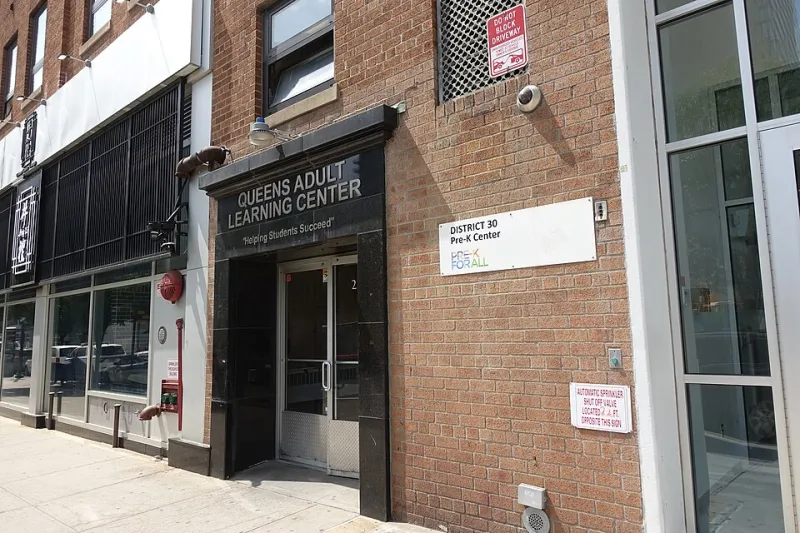
Photo: Tdorante10, CC BY-SA 4.0, via Wikimedia Commons
Let's be real for a second. High school gave us a solid grounding in the mitochondria being the powerhouse of the cell, but it left a lot of us completely in the dark about, say, how to negotiate a raise or unclog a drain without panicking. If you've ever stood in the plumbing aisle at Home Depot feeling like a fraud, you're in good company.
The thing is, nobody's handing out grades anymore. You can learn what you want, when you want — no detention for starting late. That's kind of the whole vibe here at Good79: everything, everywhere, all at once. So we put together this sprawling, no-judgment guide to skills that adults consistently wish they'd picked up earlier. Some of these are practical. Some are social. Some are genuinely life-changing. All of them are learnable right now.
Money Stuff Nobody Explained
Financial literacy is maybe the biggest gap in the American education system, and it shows. Here are the skills in this category worth tackling first:
- Reading a pay stub — Know what FICA actually is and why it's eating your check.
- Building a budget — Apps like YNAB or even a simple spreadsheet can flip the script on your finances fast.
- Understanding credit scores — Three digits that affect your apartment, your car, and your mortgage. Worth knowing.
- Investing basics — Index funds, compound interest, Roth IRA. You don't need to be Warren Buffett; you just need to start.
- Negotiating salary — Most people leave thousands on the table by not asking. Practice the ask.
- Filing taxes yourself — At least once. FreeTaxUSA exists. Try it.
- Reading a lease before signing — Seriously, just read it.
- Understanding interest rates — On your credit card, your car loan, your student debt. The math matters.
- Setting up an emergency fund — Three to six months of expenses. Start with $500. Just start.
- Knowing the difference between needs and wants — Sounds obvious. Is apparently not.
Home and Hands-On Skills
American homes are full of things that break, drip, squeak, and generally demand your attention. You don't need to be a contractor to handle the basics.
- Unclogging a drain — Zip-It tool. Game changer.
- Patching drywall — YouTube is your best friend here.
- Changing an air filter — Monthly or quarterly. Most people forget for years.
- Turning off the water main — Know where it is before you need it.
- Basic painting technique — Tape, prime, cut in, roll. Don't rush the drying.
- Hanging things on walls — Studs, anchors, levels. Measure twice.
- Changing a tire — Practice in your driveway before you're stranded on I-95.
- Basic car maintenance — Oil, tire pressure, wiper fluid. The trifecta.
- Sewing a button — Takes four minutes. Saves a shirt.
- Using a power drill — It's not scary. It's actually kind of fun.
Communication and People Skills
This is the category that quietly determines most of your life outcomes. No pressure.
- Active listening — Put the phone down. Make eye contact. Repeat back what you heard.
- Writing a professional email — Subject line, clear ask, brief body. Done.
- Giving and receiving feedback — Be specific, be kind, be direct.
- Setting boundaries — A complete sentence. No explanation required.
- Public speaking basics — Toastmasters exists in basically every city. Go once.
- Conflict resolution — Name the issue, not the person. Huge difference.
- Networking without being weird about it — Lead with curiosity, not an agenda.
- Reading body language — Not mind-reading, just paying attention.
- Apologizing properly — "I'm sorry you felt that way" is not an apology.
- Saying no without guilt — A skill. Genuinely a learnable skill.
Health, Body, and Brain
- Basic first aid and CPR — The Red Cross offers courses everywhere.
- Reading nutrition labels — Serving sizes are a trap. Know the trap.
- Cooking five reliable meals — You don't need to be a chef. You need five dishes.
- Understanding sleep hygiene — Screens, timing, temperature. The basics work.
- Managing stress without numbing it — Exercise, breath work, therapy. Pick one.
- Recognizing signs of burnout — Before it knocks you flat.
- Stretching and mobility work — Your future back will thank you.
- Understanding mental health basics — Anxiety vs. stress. Depression vs. sadness. Know the difference.
- Staying hydrated — Still shockingly underrated.
- Building a consistent exercise habit — Consistency beats intensity every time.
Time, Organization, and Productivity
- Time blocking — Schedule the work, not just the meetings.
- The two-minute rule — If it takes less than two minutes, do it now.
- Inbox zero (or close to it) — Folders, filters, unsubscribe. You can do this.
- Prioritization frameworks — Urgent vs. important. The Eisenhower Matrix is a classic.
- Breaking big goals into small tasks — Big goals are just a series of tiny steps.
- Learning to delegate — You cannot do everything. Nor should you.
- Digital decluttering — Files, photos, apps. It's mental overhead you don't need.
- Weekly reviews — Sunday evening, 20 minutes. What worked? What didn't?
- Saying no to overcommitment — Your calendar is a values statement.
- Single-tasking — Multitasking is mostly a myth. Focus is the real flex.
Tech and Digital Life
- Basic spreadsheet skills — Excel or Google Sheets. Formulas, sorting, filtering.
- Password management — Use a password manager. Please.
- Spotting phishing emails — Check the sender domain. Hover over links. Trust nothing.
- Backing up your data — 3-2-1 rule: three copies, two formats, one offsite.
- Basic photo editing — Lightroom mobile is free and powerful.
- Understanding privacy settings — On every platform you use.
- Video call etiquette — Lighting, background, mute discipline.
- Writing for the web — Short paragraphs. Headers. Get to the point.
- Using AI tools effectively — Prompt writing is the new literacy.
- Protecting yourself online — VPNs, two-factor authentication, the basics.
Creativity, Learning, and Growth
- Learning a second language — Duolingo counts as a start.
- Speed reading techniques — Not a superpower, but a useful upgrade.
- Note-taking systems — Cornell method, Zettelkasten, or just better bullet points.
- Drawing basics — Anyone can learn to draw. Anyone.
- Playing an instrument — Even one song on guitar changes something in your brain.
- Memorization techniques — Memory palaces, spaced repetition, mnemonics.
- Critical thinking — Identifying logical fallacies is a life skill.
- Embracing failure — Reframe it as data. Takes practice.
- Building a reading habit — 20 pages a day is 18+ books a year.
- Journaling for clarity — Not for Instagram. For yourself.
Relationships and Community
- Being a good host — Food, drinks, making people feel welcome. Simple stuff.
- Writing a thank-you note — Handwritten. Rare. Remembered.
- Showing up for people in grief — Don't say "let me know if you need anything." Just show up.
- Making new friends as an adult — It's awkward. Do it anyway.
- Maintaining long-distance relationships — Scheduling calls, sending memes, staying present.
- Volunteering consistently — One cause, regular commitment.
- Understanding local politics — City council affects your daily life more than Congress.
- Being a better neighbor — Wave. Introduce yourself. Shovel the sidewalk.
- Practicing gratitude without being cheesy about it — Three things. Every morning. Two minutes.
The Whole Point
None of this requires going back to school, spending a fortune, or dedicating years of your life. Most of these skills can be meaningfully improved in a weekend, a month, or a single focused afternoon. The internet has made learning almost embarrassingly accessible — the barrier now is mostly just deciding to start.
So pick one. Just one. The one that made you cringe a little when you read it. That's probably the right place to begin.
We'll be here covering everything else in the meantime.