Just Do It Badly: The Glorious Return of Hobbies That Exist for No Reason
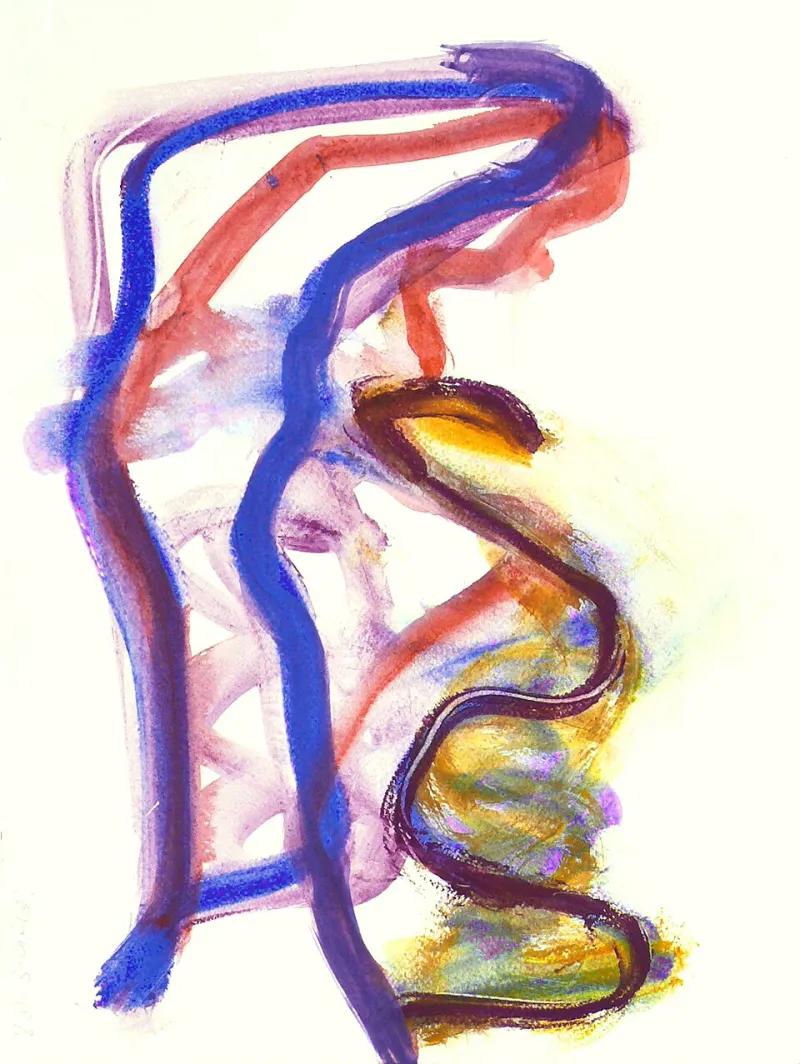
Photo: Fons Heijnsbroek, CC0, via Wikimedia Commons
Somewhere in suburban Ohio, a 34-year-old project manager is making the worst sourdough bread you've ever seen. It doesn't rise right. The crust is weirdly pale. She's been at it for three months and she will openly tell you she has not improved at all. And here's the thing — she does not care even a little bit.
This is not a failure story. This is actually the point.
We are living through what might be the most quietly radical cultural correction of the past decade: the full, unapologetic comeback of the hobby. Not a side hustle. Not a passion project. Not a "journey" you document for followers. Just a thing you do because you like doing it, full stop.
How We Got Here (It's Bleak, Briefly)
To understand why this feels so radical, you have to remember what the 2010s did to the concept of free time. Social media, hustle culture, and the gig economy formed this perfect, suffocating triangle that turned every personal interest into a potential revenue stream — or at least a performance opportunity.
Learning guitar? You'd better be posting progress videos. Getting into hiking? Tag the gear brands. Picked up knitting? There's an Etsy shop waiting for you. The implicit message was relentless: if you're not optimizing your hobby, you're wasting it. If you're not monetizing, you're leaving value on the table. If you're not getting better in measurable, shareable ways, why are you even doing this?
The result was a generation of people who burned out on their own interests. Hobbies stopped being restful and started being exhausting. The pressure to perform competence — or at least perform progress — drained the actual joy out of picking up something new. A lot of Americans quietly stopped trying things.
Something Started Shifting Around 2022
You can trace the early signals in places like TikTok, which is ironic given that platform's role in the whole mess. "Hobbies don't have to become a hustle" became a recurring theme, racking up millions of views. Posts celebrating truly mediocre homemade things — lopsided candles, off-key singing, paintings that looked nothing like their subjects — started getting warmer responses than polished tutorials.
People were exhausted by expertise. They were hungry for something real.
The pandemic had already cracked things open a little. Suddenly millions of Americans had time and no audience, so they baked bread (badly), learned instruments (poorly), and planted gardens (with mixed results). Nobody was watching. It felt like breathing.
Now that energy has calcified into something more intentional. People aren't just stumbling into bad hobbies — they're choosing them. Choosing the mess. Choosing the learning curve. Choosing to stay on that learning curve indefinitely, with zero exit strategy.
What Your Brain Gets Out of This
There's actual science backing up why this feels so good, and it's worth a quick detour.
Psychologists have long studied the concept of "autotelic" experience — activities that are intrinsically rewarding, where the doing is the entire point. Mihaly Csikszentmihalyi, the researcher behind the concept of "flow," argued that humans are wired to find deep satisfaction in engaged, purposeful activity that has no external reward attached. The catch is that flow requires a certain freedom from outcome pressure. When you're terrified of performing badly, you can't actually get lost in something.
In other words, the moment you stop worrying about whether your watercolor looks good, you actually get more out of painting it. The bad hobby is neurologically generous.
There's also the stress angle. Productivity-focused activities keep your brain in a semi-evaluative state — am I doing this right, am I improving, is this worth my time? A true hobby, pursued without stakes, gives your prefrontal cortex something to do without activating the anxiety circuitry that follows you through most of your workday. It's not quite meditation, but it rhymes with it.
The Community Angle Nobody Talks About
Here's something that gets missed in most conversations about the hobby revival: it's not just personal. It's social.
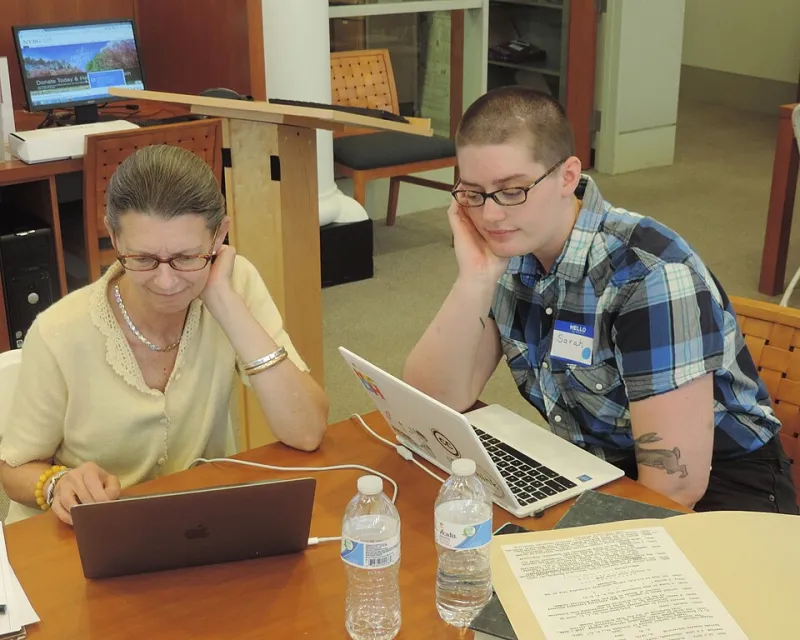
When you're not performing mastery, you're actually available for connection. Beginner ceramics classes, community theater, recreational softball leagues, neighborhood book clubs where people don't always finish the book — these spaces work precisely because the stakes are low. Nobody's auditioning for anything. Nobody's networking. You're just a bunch of people who are all kind of bad at the same thing, and that shared vulnerability turns out to be a surprisingly solid foundation for genuine friendship.
America has a loneliness problem that's been well-documented. What's less discussed is how the optimization mindset made it worse. When every activity is an opportunity to advance something — your career, your brand, your skills portfolio — casual socializing becomes almost impossible. You're always half-calculating. The hobby, with its total lack of agenda, creates room for people to just exist together.
The Monetization Guilt Is Real (And Worth Naming)
One thing that comes up again and again when people talk about reclaiming hobbies is this weird guilt about not monetizing them. Like, you've gotten pretty decent at making jewelry — shouldn't you open a shop? You've been drawing for two years — shouldn't you take commissions?
This guilt is so culturally specific to the American hustle context that it's worth sitting with. In plenty of other countries, the idea that a hobby should eventually pay for itself would seem bizarre. But here, we've so thoroughly tied personal value to economic productivity that doing something purely for yourself can feel almost selfish.
It isn't. Saying "this is mine and it's not for sale" is a complete sentence. Keeping something just for you, with no audience and no revenue projections, is actually a quietly countercultural act right now. It's a small but real refusal of the idea that your time has no value unless it's generating something.
How to Actually Do This
If you've been out of the hobby game for a while, re-entry can feel weirdly intimidating. A few things that help:
Pick something with no obvious career application. The further it is from your professional skill set, the freer you'll feel. A lawyer learning to juggle. A graphic designer doing needlepoint. The distance is protective.
Give yourself explicit permission to plateau. You don't have to get better. Staying at the same level for years is completely fine. The goal is enjoyment, not mastery.
Keep it offline, at least at first. The moment you start posting about it, the audience dynamic sneaks back in. Give yourself a private season with your new thing before you decide whether to share it.
Find your people. Community centers, local clubs, Reddit threads where everyone's a beginner — these spaces make the whole thing more sustainable and way more fun.
The sourdough lady in Ohio isn't going to open a bakery. She isn't going to post tutorials. She's just going to keep making mediocre bread on Sunday mornings because it gives her something to do with her hands and her mind goes quiet for a while.
Honestly? That sounds pretty great.