The Push Notification Town Square: How Group Chunks Ate Local Life
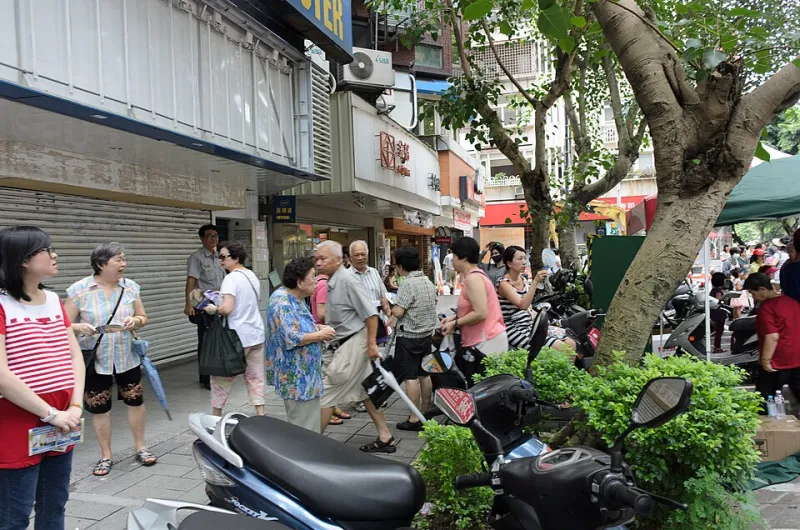
Photo: 玄史生, CC0, via Wikimedia Commons
Here's an opinion worth stating plainly: the most important civic institution in your neighborhood right now is a group chat, and it is not going well.
Look at the evidence. Local newspapers have been collapsing for two decades. Rotary and Elks clubs can't fill a room. School board meetings draw a handful of people unless something has gone spectacularly wrong. Meanwhile, the neighborhood Facebook group, the Nextdoor feed, and that one WhatsApp thread for the block have become the de facto place where community life actually happens — lost dogs found, storm damage reported, casseroles coordinated, and feuds nursed for months over a disputed fence line.
We didn't choose this replacement. It just happened, the way water finds the low ground. And like most things that happen by default rather than design, it comes with real trade-offs.
What the Chat Gets Right (And Why It Won)
Let's be fair to the medium before dunking on it. The neighborhood group chat delivers things the old institutions never could.
Speed, for one. A downed tree on Elm Street is documented, cursed about, and handled with chainsaws before a printed newsletter would've gone to layout. Mutual aid runs on this stuff — the 'my kid locked their keys in the car' post gets answered in four minutes. The old civic infrastructure simply couldn't respond at that velocity.
Access is the other win. Town halls required evening availability, childcare, and a tolerance for fluorescent-lit committee work. The chat requires nothing but a phone you already own. A parent on night shift, a homebound senior, a new arrival who doesn't know anyone — all of them can participate from wherever they are. That's a genuine democratization of local belonging, and it shouldn't be sneered at.
What Got Lost in the Notification
But the push notification is a terrible vessel for the harder parts of community, and pretending otherwise is how we ended up here.
First: the chat flattens everything. A missing cat, a political grievance, and a recipe request all arrive with the same urgency and the same tone. Civic life used to have rooms for different registers — a budget hearing sounded different from a block party. Now it's all one feed, and the feed rewards whatever gets the fastest reaction. Guess what gets the fastest reaction. It's not the zoning update.
Second: the chat is a surveillance apparatus wearing a cardigan. Every jogger who 'doesn't look like they're from around here,' every teen walking too slowly, every unfamiliar car gets documented and discussed. Old-town gossip at least had the decency to be slow and unverifiable. The modern version comes with doorbell footage and a comments section, and the people being discussed have no way to answer.
Third — and this is the part that stings — the chat decides who counts as a neighbor. Not everyone is on Nextdoor. Not everyone got added to the WhatsApp thread, because someone has to do the adding, and people add people like themselves. The old institutions were exclusionary in visible, fightable ways. The new ones are exclusionary invisibly, which is much harder to fix.
Rebuilding Better, One Thread at a Time
If the group chat is the new town hall, then it's worth treating like one. A few habits separate the neighborhoods where these spaces work from the ones where they curdle:
- Move the hard stuff offline. The chat is great for logistics and terrible for conflict. 'Let's talk at the block party' should be the community's most-used phrase.
- Create friction for accusations. Groups that require a question or a wait before posting about 'suspicious people' see dramatically less of it.
- Rotate the boring jobs. Every healthy group chat has an unglamorous moderator. Make it a shared role, not a personality contest.
- Remember who's not in the room. If your street's only communication channel requires a smartphone and an invite, some of your neighbors are effectively ghosts. Knock on a door sometimes.
None of this makes the group chat into a rotary club. But the institutions we miss didn't die of natural causes — we stopped showing up, and something faster filled the vacuum. The vacuum is filled now. The question is whether we'll put in the small, unglamorous effort to make the replacement livable, or keep letting the loudest notification write the rules of the neighborhood.
The town square fits in your pocket now. It's a mess in there. But it's our mess, and unlike the old town hall, this one is open at 2 a.m. — which, depending on the thread, is either its greatest feature or its most damning flaw.